
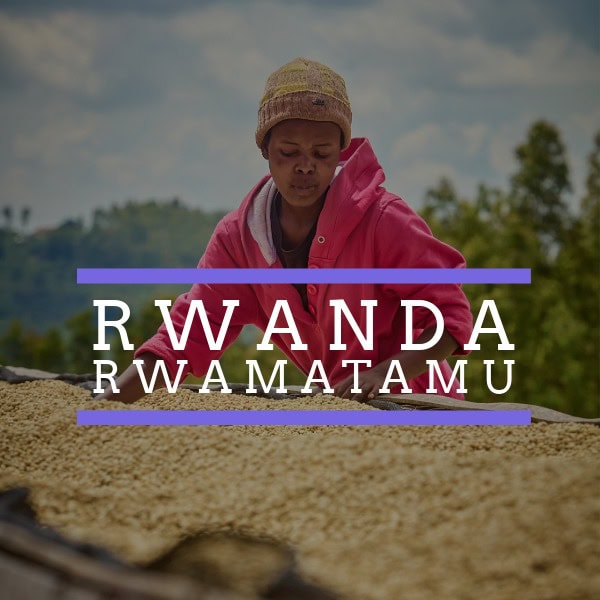



RWANDA – Rwamatamu
Region: Mbare
Altitude: 1800-1900 masl
Varieties:Red Bourbon
Washing Station: Mbare
Process: Washed
Drying: African beds
Cupping notes: Chamomile green tea, prune, date
Cupping score: 86
Harvest:2026
Roasted on: Joper CRS30
Release date: 20/11/2026
PREPARATION ANALYSIS
ESPRESSO & Mokka Pot
Rating: 8/10
Why we like it:This coffee gives a rich, comforting espresso with plenty of depth and sweetness. It has a thick, syrupy mouthfeel that holds up brilliantly against milk, while black espresso drinkers will love the lively, blood orange acidity balanced by deep stone-fruit notes.
Espresso recipe
Dose: 20g
Yield: 36g
Time: ~29 seconds
Essential Espresso tips
- The above recipe is what worked for us. We encourage you to play with grind, dose and yield as water composition changes all over Ireland which greatly affects the way coffee extracts into water. Note that water temperature, grinder blade quality and espresso machine pressure also have a part to play.
- For a home machine, use the largest dose your basket comfortably allows. As a starting point, try 12g in → 24g out, using a ratio of 1:2 at first, then more or less to your liking.
- Different coffees grind differently, always adjust your grind for a new coffee so the espresso pours slowly and consistently, just off the drip which should take 25-30secs. The longer coffee is exposed to air the finer you will need to grind your coffee.
In the cup:
Espresso: Thick, syrupy body with bright blood orange acidity and rich stone-fruit sweetness.
With milk: Smooth and velvety this coffee cuts effortlessly through steamed milk with sweet notes of sticky date, caramel, and plum.
FILTER: Cafetiere · Aeropress · Drip · Pour Over
Rating: 8/10
Why we like it:Brewed as a filter, this coffee opens up to showcase its delicate floral and herbal character. It produces a clean, tea-like cup with gentle chamomile tea lingering, natural dried-fruit sweetness that makes it an effortless everyday brew.
Brew Vessel: v60
Dosing recipe: Use a ratio of 15g coffee / 250ml water
Brew time: 2.45min
Essential brewing tips
- If you want more or less water then vary the coffee to keep a ratio of 60g/litre.
- Having said that, the above recipe is what worked for us. We encourage you to play with that ratio as water composition changes all over Ireland which greatly affects the way coffee extracts into water. So does water temperature, grinder blade quality and the brew vessel used.
- Different coffees weigh differently. We highly recommend using scales to weigh the coffee and the water – it’s like baking a cake, you wouldn’t guess the ingredients.
- Keep the coffee in contact with the water for around 2.5–3 minutes. Just like tea, longer brew times can introduce unwanted bitterness. If you have a drip through device (like a v60) then try medium grind. When using full steep methods such as Cafetiere use a coarse grinder and minutes brew time.
- Always adjust to taste and play around with the grind size, dose/volume, water temp & yield. Too much of something makes it bitter, too less has no flavour.
In the cup: Lovely light tea-like body, with delicate dried fruit notes. This is a lovely coffee for filter.
ABOUT THE FARM / ORIGIN
Rwamatamu is a family-owned coffee producer that was established in 2015 by husband and wife team Rutaganda Gaston and Mukantwaza Laeticia.
Community is a huge focus for Rwamatamu, and as such the team have strong relationships with the farmers in Nymasheke and Mbare that they work with. Beyond that though, the team also runs community groups in both of these locations.
In Nyamasheke is the Women’s Cooperative, where Rwamatamu have purchased land and provided seedlings and training for local women interested in coffee production. The women cultivate and sell coffee back to Rwamtamu, providing an alternative income source outside of seasonal employment, fostering long-term financial stability for the women in the valley.
In Mbare, a similar project is being run as a Youth Association with locals age 18 – 35. This is to encourage the interest and skills of younger generations in coffee farming.
Reviews
There are no reviews yet.